For decades, farmers in Bungoma and the wider Western Kenya region have battled with soil acidity and depleting nutrient levels. The traditional solution has often been expensive chemical fertilizers, which provide a quick fix but can degrade soil structure over time. Enter Biochar—a simple, ancient solution that is revolutionizing how we approach sustainable agriculture in 2026.
What is Biochar?
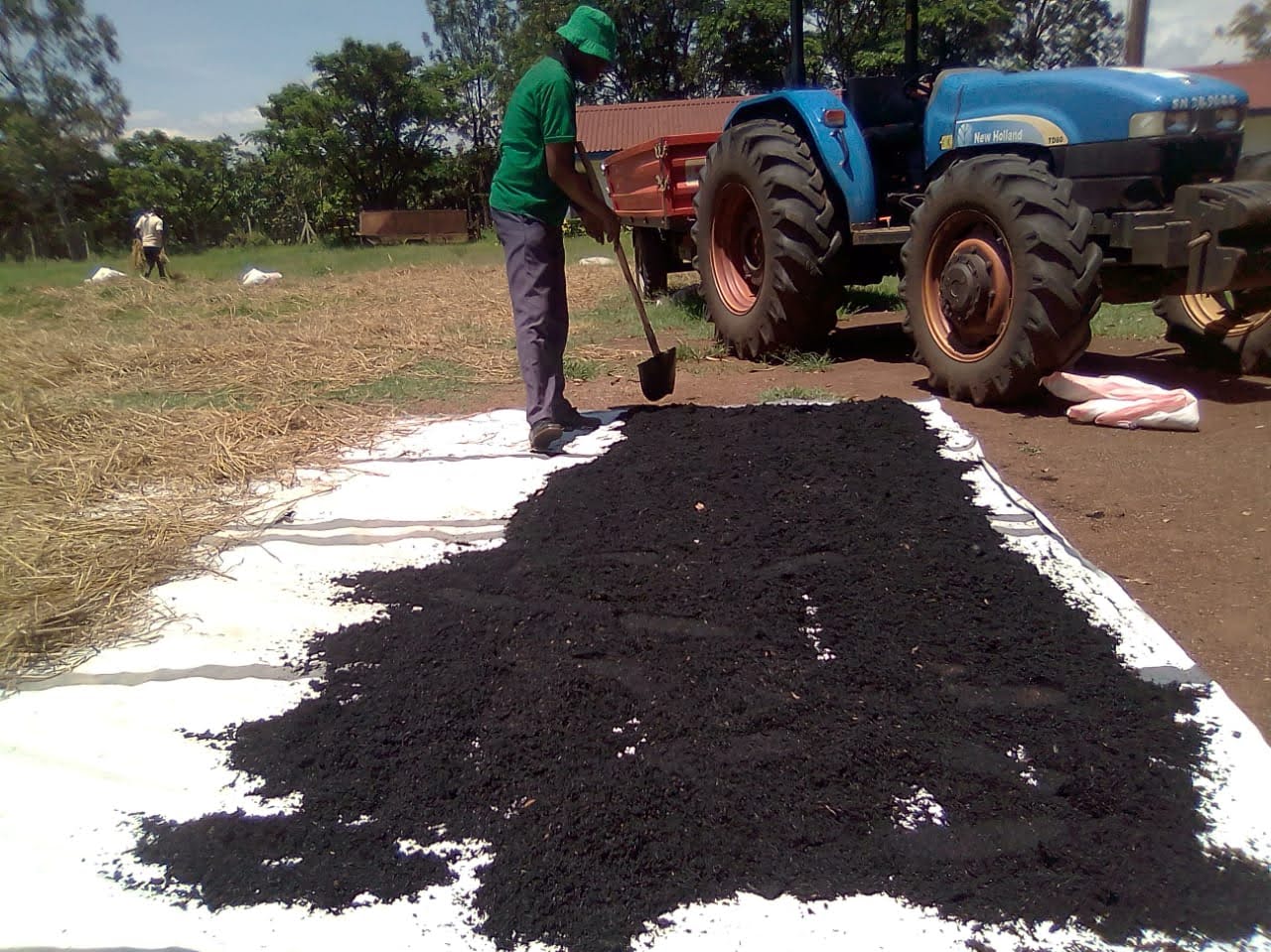
Biochar is a charcoal-like substance that’s made by burning organic material from agricultural waste (like maize cobs, sugarcane bagasse, or coffee husks) in a controlled process called pyrolysis. Unlike common charcoal used for cooking, biochar is designed specifically to be mixed into the soil.
The "Sponge" Effect
Think of biochar as a permanent sponge for your farm. When viewed under a microscope, it is full of tiny pores. These pores serve two critical functions:
Water Retention: In times of drought or erratic rainfall, biochar holds onto moisture in the soil, keeping crops hydrated for longer periods.
Nutrient Housing: It traps nutrients (nitrogen and phosphorus) that would otherwise wash away with the rain, making them available to plant roots exactly when they need them.
Discussion
good job