Every project is designed to combine technology, community training, and measurable outcomes. These initiatives not only strengthen farming systems in Kenya but also deliver verified climate solutions that inspire replication worldwide.
2022–Present
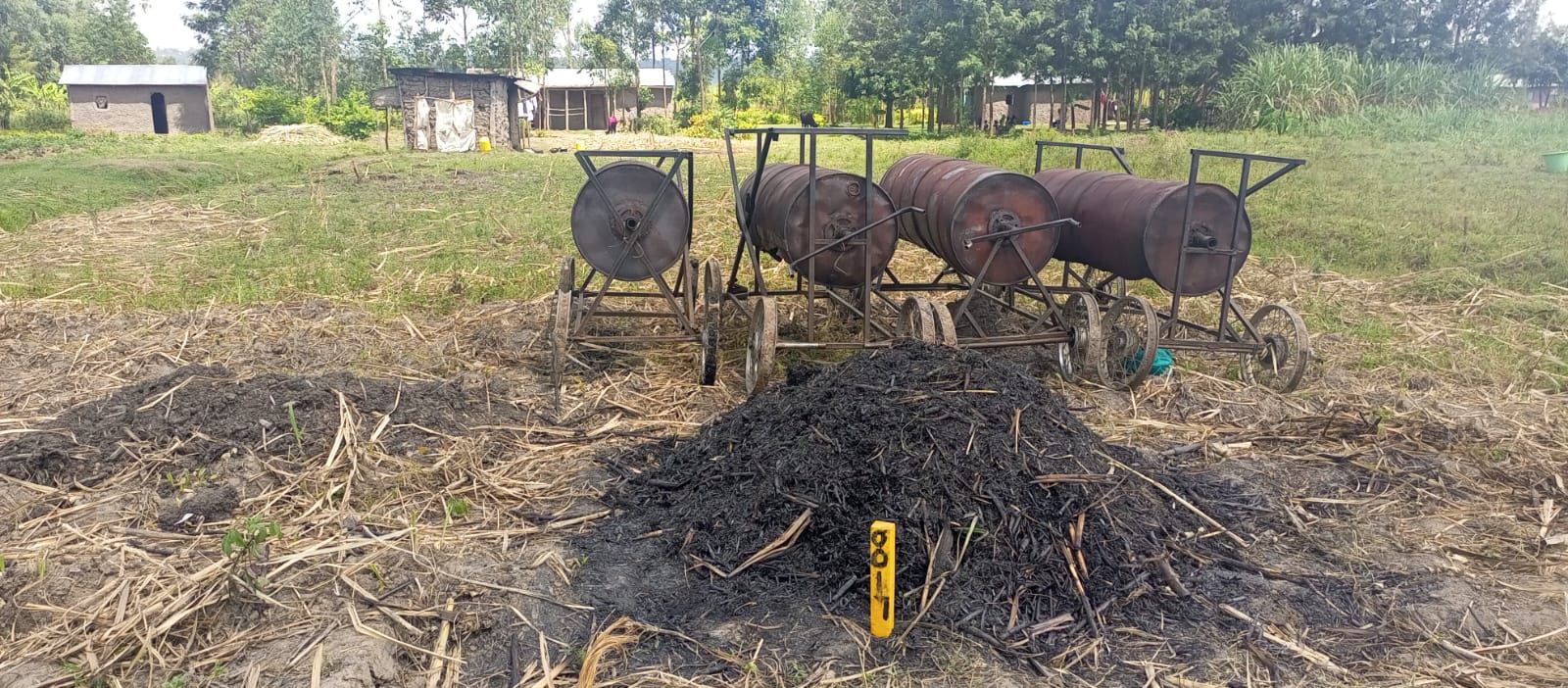
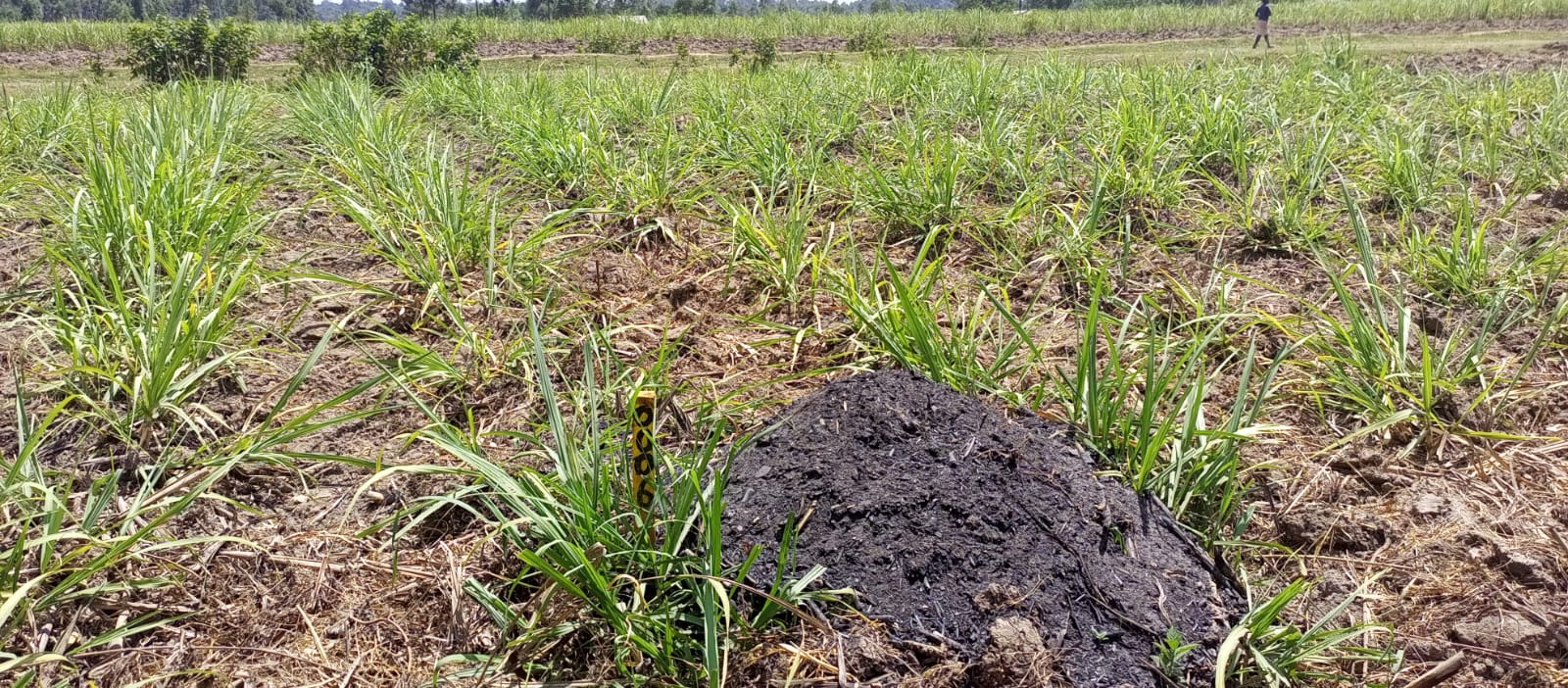
Deployed RoCC and Panel Kilns to farmers fields to turn agricultural waste into biochar.
The innovation is a set of essentially flat (but could be corrugated or shaped for strength) wall segments called panels that can be transported flat and then relatively easily positioned to create a six-sided structure to be a pyrolysis kiln.
Panel kilns can operate either with Flame Cap (FC) pyrolysis (with no intentional air entering the lower half of the created cavity) or with some adjustments as Top-Lit UpDraft (TLUD) pyrolysis (with intentional air entering at the bottom of the cavity).
Entry of the biomass feedstock is from the top, as delivered by any method for handling biomass.
Feedstock shape will impact the delivery: long straight stalks, reeds, bamboo, etc. can be dropped along the full length of the kiln.
Short chunky can be dispersed by “sprinkling” or spreading. Small biomass such as pits of fruit and probably corn cobs might be delivered by gravity from elevated hoppers; etc.
Residues (maize stalks, husks, sugarcane trash, woody shrubs) are layered and burned under controlled low-oxygen conditions. Incorporates sequential and moderated addition of dry biomass in layers with pyrolytic radiant heat from above and accumulation of created biochar in the lower cavity where minimal air is to be entering. Smoke is consumed by the flame curtain, producing biochar instead of ash.
2021
Fabricated the first two RoCC kilns at Kisii University workshops and tested with multiple feedstocks.
A RoCC kiln, short for Rotatable Covered Cavity kiln, is a type of pyrolysis kiln used for biochar production and thermal energy generation. It features a covered cavity with an open top design where pyrolysis of biomass occurs under a cap of flames.
The kiln is rotatable on demand, allowing mixing of biomass inside to ensure complete pyrolysis and to facilitate easy emptying of char. Its covered design protects the flame from wind and rain, retains heat longer, and allows directed use of created heat via chimneys. The rotatable feature also helps automate and scale up production by mechanically mixing the biomass and char inside the kiln. RoCC kilns are available in various sizes and are patented technology, with applications in biochar production, carbon sequestration, and providing thermal energy while using biomass efficiently.
The RoCC kiln works by using a rotatable, covered cavity design to facilitate pyrolysis of biomass into charcoal or biochar. The kiln is a fire-resistant container that is mostly enclosed except for a portal through which air, fuel, and emissions flow. It is supported on wheels or an axle that allows it to be rotated along its longitudinal axis when desired.
Rotation serves several key purposes: it mixes and tumbles the biomass and partially pyrolyzed material inside, exposing it evenly to heat and breaking apart charcoal clumps. This improves the completeness and efficiency of the pyrolysis process.
The process is initiated by loading biomass and a small amount of charcoal to ensure ignition. Once the fire is stable, the kiln is slowly rotated to the operating position to maintain an even fire. As pyrolysis progresses, the kiln is rotated back and forth to mix contents and enhance pyrolysis coverage. Char can be removed through the portal without fully stopping the process.
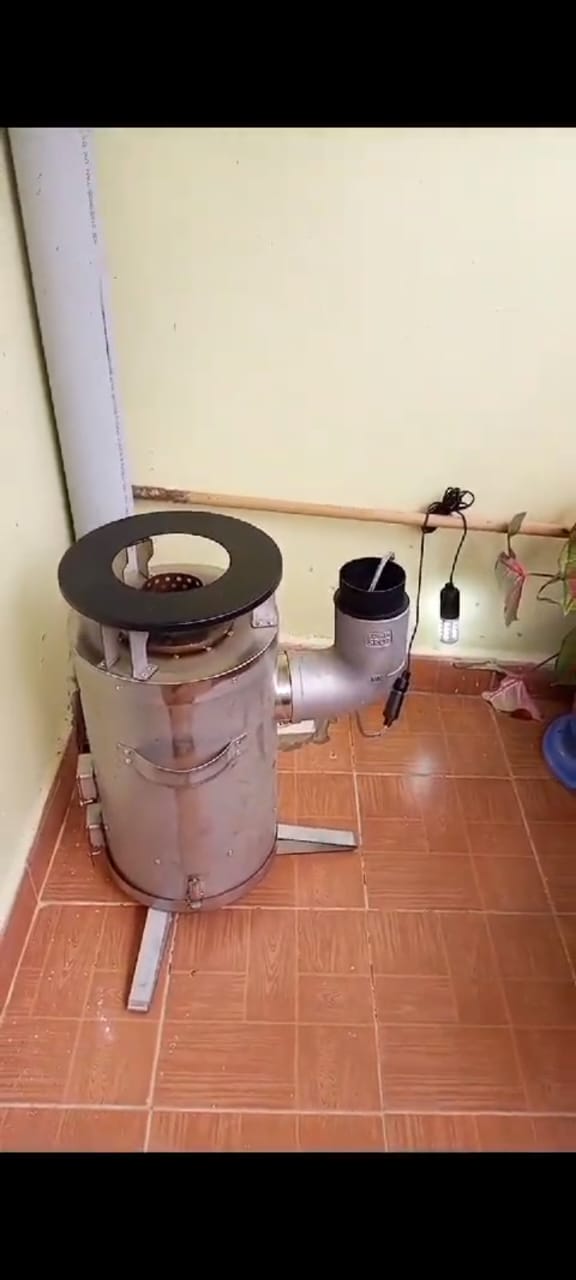
Millions of rural households in Kenya still rely on smoky open fires or charcoal, leading to deforestation and health risks. To reduce deforestation, improve household air quality and promote climate action on the community level we introduced clean cookstoves in 2023.
We began with PowerPellet TLUD-ND stoves which run on pellets. Pelletjiko stoves came in later.